Cannes 2026: A Festival of Splendor and Films That Fade from Memory
Every year in May, the small city of Cannes transforms into the capital of world cinema. Streets along the Mediterranean fill with people from all corners of the world: filmmakers, critics, journalists, producers, and dreamers who still believe cinema can change the world. The red carpet is rolled out, camera flashes blink endlessly, and the Festival Palace stands like a modern temple drawing thousands toward itself.
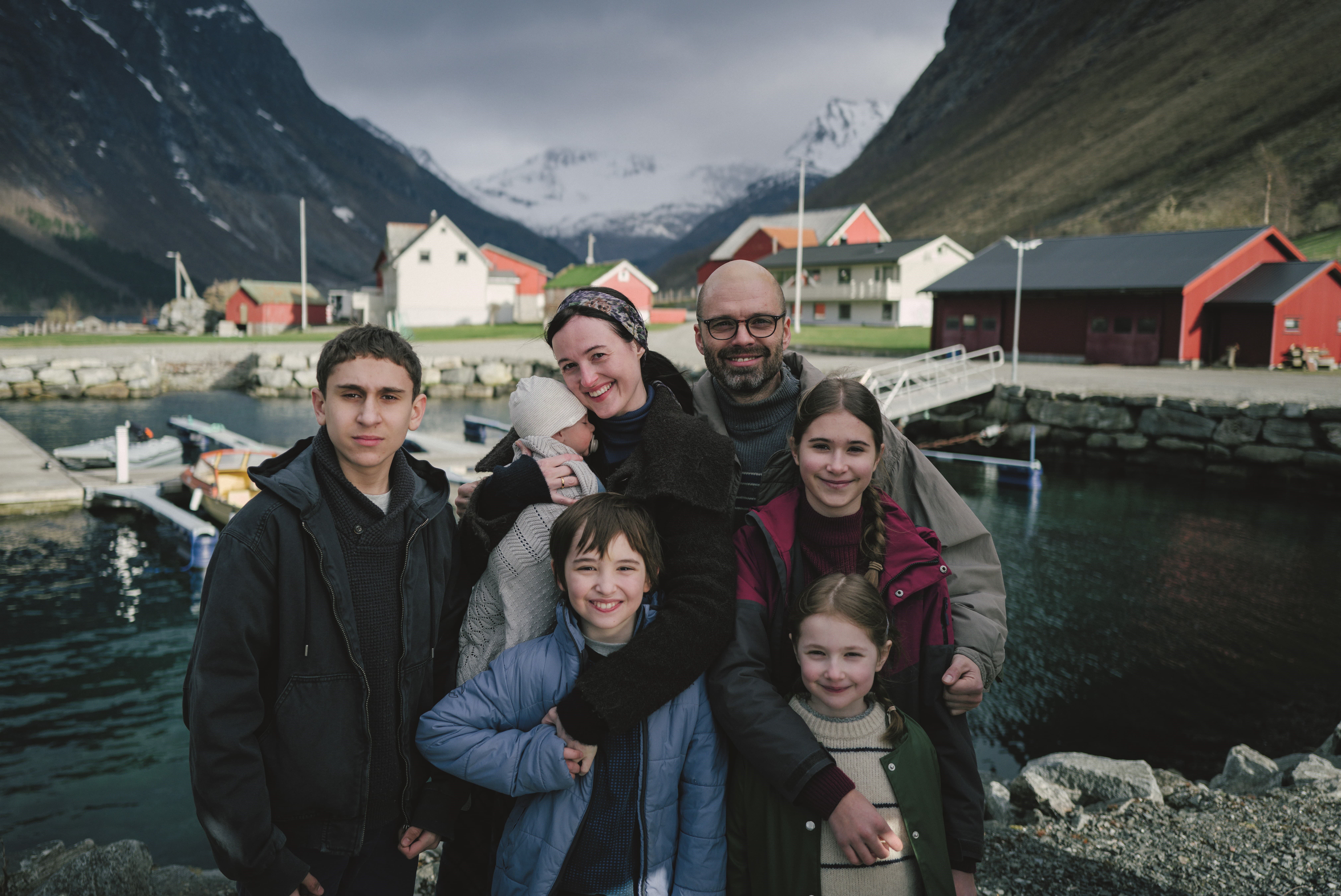
Photo Courtesy of the Festival de Cannes
Yet this year, at the 79th Cannes Film Festival, a question kept returning to my mind more than ever: is Cannes still the most important showcase of art cinema in the world, or has it become a grand, established institution that reproduces its own past rather than discovering the future?
This year, Fjord by Cristian Mungiu won the Palme d’Or, Minotaur by Andrey Zvyagintsev received the Grand Prix, and Paweł Pawlikowski was awarded Best Director (shared) for Fatherland. A Dreamlike Case by Valeska Grisebach won the Jury Prize, and Emmanuel Mar received Best Screenplay for Save Us.
But the real issue for me was not the winners. It was the underlying logic of selection, a gaze still wandering through the historical memory of Europe, once again returning to wars, wounds, and anxieties of the past century. As if today’s world, with all its burning crises, has not yet entered the frame of Cannes.
Pawlikowski in Fatherland returns to his familiar territory: a space between war, moral collapse, and European identity crisis. This was not limited to his film. Coward by Lukas Dhont and Save Us by Emmanuel Mar also move within the same mental geography, where the past casts a long shadow over the present.
Of course, engaging with history is not a flaw. No society can survive without memory. But outside the festival halls, the world is facing crises that unfold in real time before our eyes: the Russia–Ukraine war, the humanitarian catastrophe in Gaza, the role of global powers in the Middle East crisis, new waves of migration, post-pandemic loneliness, and the psychological and identity crises of a new generation.
Yet Cannes this year seemed cautious, restrained, and at times silent in confronting these urgencies. It felt as if the festival preferred to look at the world through the window of the past rather than stand directly in front of the present.
Among all the films I saw this year, Fjord by Cristian Mungiu was one of the few that lingered in my mind long after the screening. Some films impress you while you watch them, but disappear shortly after. Others begin only after the screen goes dark. The Fjord belonged to the second category.
Mungiu tells the story of a Romanian family in Norway, but what unfolds is far more than a migration story. The film quietly and brutally examines the relationship between power and morality. The church, the family, the welfare state, and even the idealized image of Europe are all placed under pressure. The film moves with a cold, minimalist, and controlled language. There are no loud outbursts, yet beneath its surface a silent violence flows — a violence emerging from structures rather than individuals. The precise performances of Sebastian Stan and Renate Reinsve deepen this complex world.
Watching Fjord reminded me that cinema is alive when something inside the viewer is displaced after the film ends — when you cannot leave the film behind in your seat, carrying it with you into the street, the hotel, and the days that follow. Perhaps this is why many of this year’s films, despite their technical precision and high production standards, failed to stay with me. They felt like respectful works that did everything correctly but took few risks and left few scars.
Andrey Zvyagintsev, with Minotaur, received the Grand Prix, yet compared to his earlier masterpieces such as Leviathan and Loveless, this film felt less disturbing. His moral universe remains intact, but Minotaur is more a reminder of past greatness than a discovery of something new.
In contrast, A Dreamlike Case by Valeska Grisebach offered one of the most intimate and human experiences of the festival. With its slow rhythm and attentive observation of everyday life, it creates meaning not through grand concepts but through the texture of lived experience.
But the crisis of Cannes is not limited to films.
Every year, more strongly, one feels that the festival is becoming a closed, hierarchical structure. Security layers, long queues, restrictions, and the visible gap between different categories of guests create an atmosphere that sometimes feels closer to an international airport’s controlled borders than a celebration of art. In this space, fame becomes a form of capital — a currency that determines who enters first, who is seen, and who must wait outside. Some are valued not only for their work but for their position.
Yet cinema does not happen on the red carpet or behind security walls. It happens in the darkness of the theater, in the direct encounter between a human being and an image that may alter their perception of the world.
For this reason, Cannes today more than ever needs rethinking — not only in its film selection, but in its worldview. Thierry Frémaux has led the artistic direction for nearly twenty-five years, and perhaps it is time, as with other festivals, to allow new perspectives to enter.
Cannes’ prestige still stands. No other festival has replaced its symbolic position. But cultural authority is never permanently guaranteed. If a festival wants to remain a reference point, it must not only reflect the present world but also discover it — giving space to new voices, new crises, and new ways of living. When the lights of the theater turn on and the festival ends, what remains is not the red carpet or the list of awards. It is the film that continues to breathe in the viewer’s mind.
And Cannes will ultimately be judged by this very criterion: not by the splendor of its ceremonies, but by the number of films that are not forgotten.
Majid Movasseghi
j:mag Tous droits réservés
